The Judicial and Legal Studies Institute Celebrates the Graduation of The Sixteenth Cohort of The New Lawyers Training Program
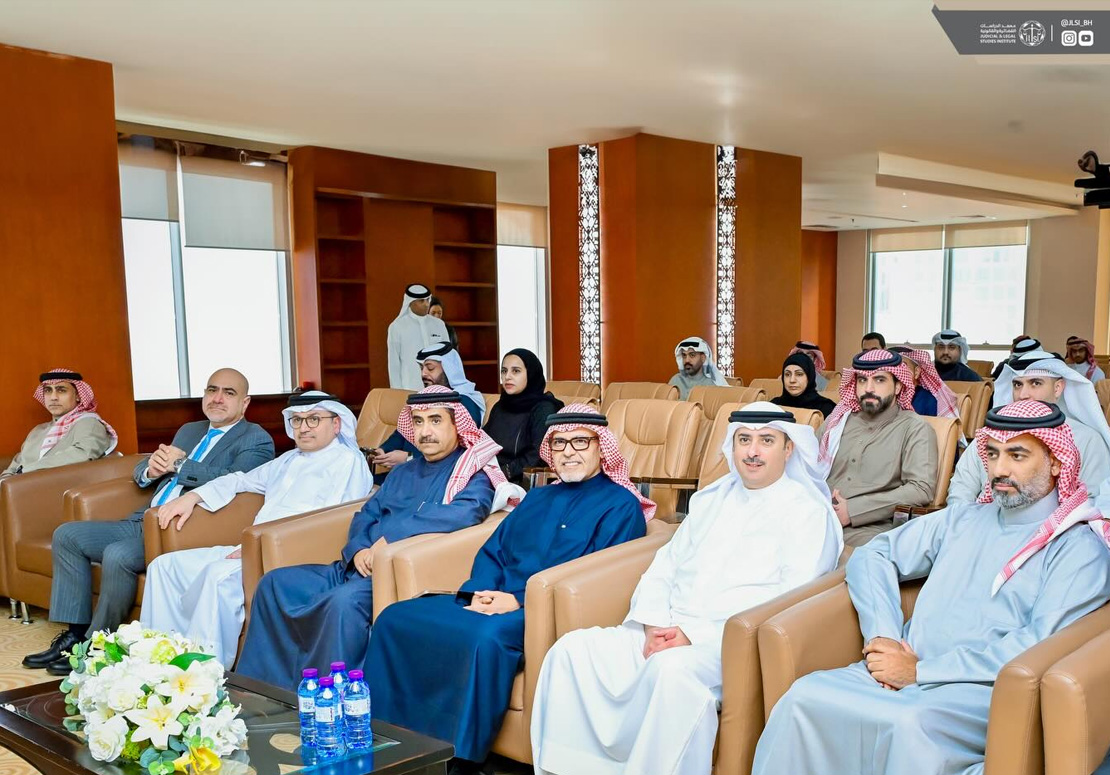
The Judicial and Legal Studies Institute celebrated the graduation of the sixteenth cohort of the New Lawyers Training Program, which extended over five consecutive months and comprised 190 training hours, with more than 65% allocated to practical training and the refinement of skills required by lawyers at the beginning of their professional careers. This was achieved through specialized workshops, mock trials, and hands-on training in legal drafting, oral advocacy, and case file management.
The New Lawyers Training Program aims to qualify participants to practice the legal profession with efficiency and professionalism by enhancing practical skills and applied legal knowledge, providing exposure to the court environment and judicial procedures, and equipping trainees with the fundamental skills required for pleading, defense, and building legal case files—thereby supporting the quality of legal services. The graduation ceremony was attended by members of the Institute’s Board of Trustees, namely: His Excellency Sheikh Khalid bin Ali Al Khalifa, Deputy Chairman of the Supreme Judicial Council and President of the Court of Cassation; Dr. Ali bin Fadhel Al Buainain, Public Prosecutor; His Excellency Mr. Nawaf bin Mohammed Al Maawda, Minister of Justice, Islamic Affairs and Endowments; Counselor Nawaf Abdullah Hamza, President of the Legislation and Legal Opinion Authority; Judge Issa Sami Al Mannai, Undersecretary of Justice and Islamic Affairs; Dr. Fouad Mohammed Al Ansari, President of the University of Bahrain; Lawyer Salah Ahmed Al Madfaa, President of the Bahrain Lawyers Association; and Dr. Khalid Serry Siam, President of the Judicial and Legal Studies Institute.
On this occasion, His Excellency Mr. Nawaf bin Mohammed Al Maawda, Minister of Justice, Islamic Affairs and Endowments, affirmed that the legal profession constitutes a vital pillar of the justice system, noting that qualifying young legal cadres and strengthening their professional capabilities contributes to the development of legal services, reinforces the principle of the rule of law, and enhances the quality of services provided to litigants. He added that developing the legal and professional skills of new lawyers complements government efforts aimed at modernizing the justice system and advancing the legal work environment in line with digital transformations—particularly in the areas of electronic litigation, alternative dispute resolution mechanisms, and the rights of litigants. For his part, Lawyer Salah Ahmed Al Madfaa, President of the Bahrain Lawyers Association, emphasized that investing in the qualification of new lawyers is a solid foundation for enhancing professional efficiency and entrenching the values of the rule of law. He praised the partnership with the Judicial and Legal Studies Institute and its prominent role in training Bahraini lawyers and raising their professional readiness through foundational programs that establish the skills necessary for practicing the profession.
He added that the next phase requires strengthening lawyers’ applied skills in drafting, advocacy, and case file management in line with digital transformation and the evolving litigation environment. He noted that the Association prioritizes support for continuous training pathways and adherence to the professional code of conduct, ensuring higher-quality legal services and strengthening public confidence in the justice system. For his part, Dr. Khalid Serry Siam, President of the Judicial and Legal Studies Institute, affirmed that the New Lawyers Training Program represents one of the core pillars of the Institute’s annual legal professional qualification framework, given its role in bridging theoretical knowledge with practical application and enabling trainee lawyers to acquire the professional experience necessary to practice the profession.